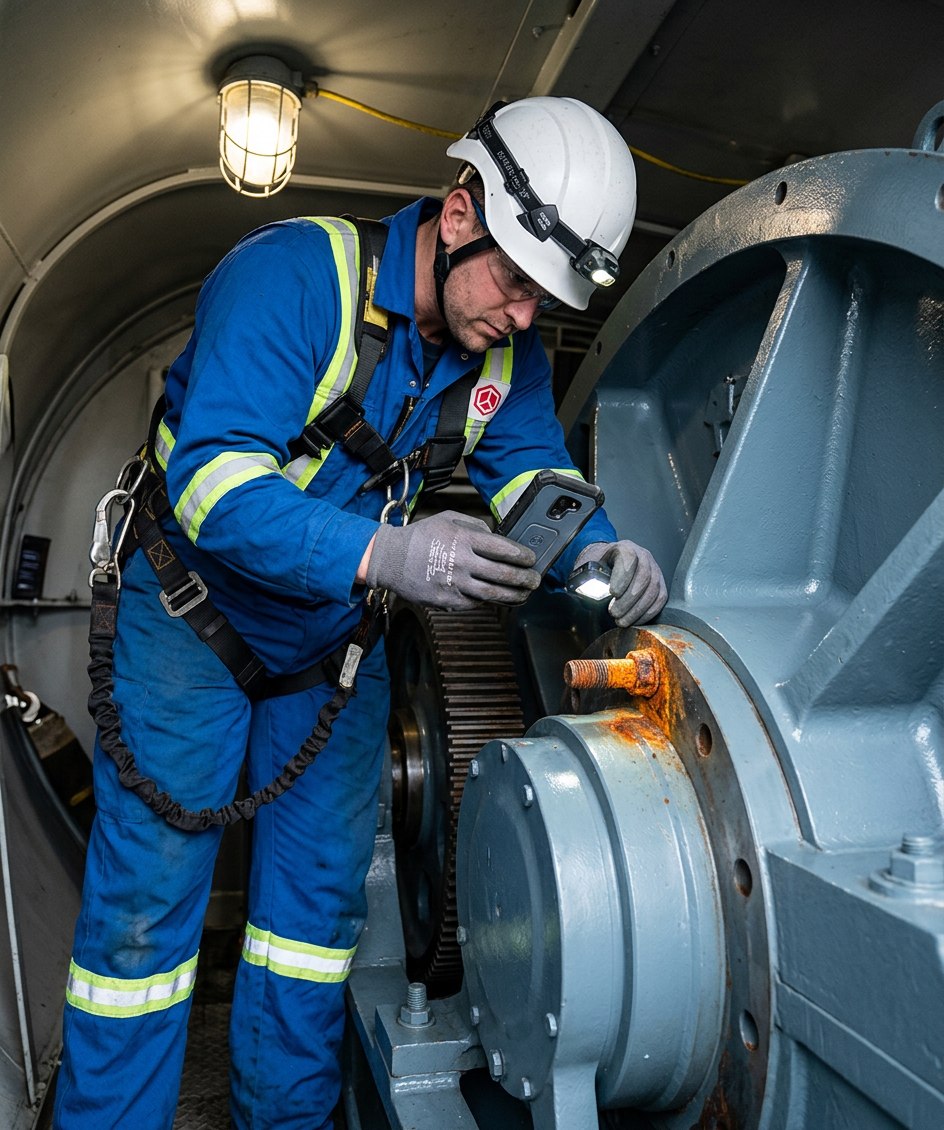
By using a codified reporting system we are able to capture your learnings from your staff and subcontractor's clearly, propelling your safety culture to new heights.
SHARD separates observations from incidents more deliberately than most safety systems do — and for good reason. The observation flow is being shaped as a reporting launcher. If someone wants to report an incident or near miss, they are routed into the full incident form. That keeps serious events inside the incident engine, where severity, injured persons, witnesses, attachments, sketches, investigation records, actions, and follow-up can all be handled properly.
True observations stay in the observations module. These include positive safety interventions, improvement ideas, and lessons learned. Those records carry type-specific metadata, status, operational context, and follow-up information appropriate to what they actually are.
This distinction is practical. A near miss should not disappear into a general observation list. A positive observation should not be forced through an incident workflow, but learnings from those reported observations should not disappear in a stale bucket where they have time to grow into systemic issues. Different safety signals need different handling — and the system should make that easy rather than forcing every report into the same mould.
The goal is a reporting experience that feels simple in the field, while keeping the underlying records clean enough for review, analytics, and meaningful action tracking.